
Should You Ice an Injury? The Science Behind Cryotherapy
Updated: Sep 25
Perhaps the most common question I am asked by a patient following an acute injury or episode of pain is: “Should I ice it?”
This is a completely fair question. There is a widely held belief that icing can make an injury site feel better and heal quicker, and the icing of an acute injury is recommended in several acute injury management guidelines (1,2).
Icing, a form of cryotherapy, has been used in various forms for hundreds of years. It has expanded from topical ice application (ice cubes, crushed ice, frozen peas) to continuous cold flow devices, cryotherapy chambers and immersion pools.
This post focuses on research from topical applications such as ice and continuous flow devices, as these are the most widely used and available (Fig1).

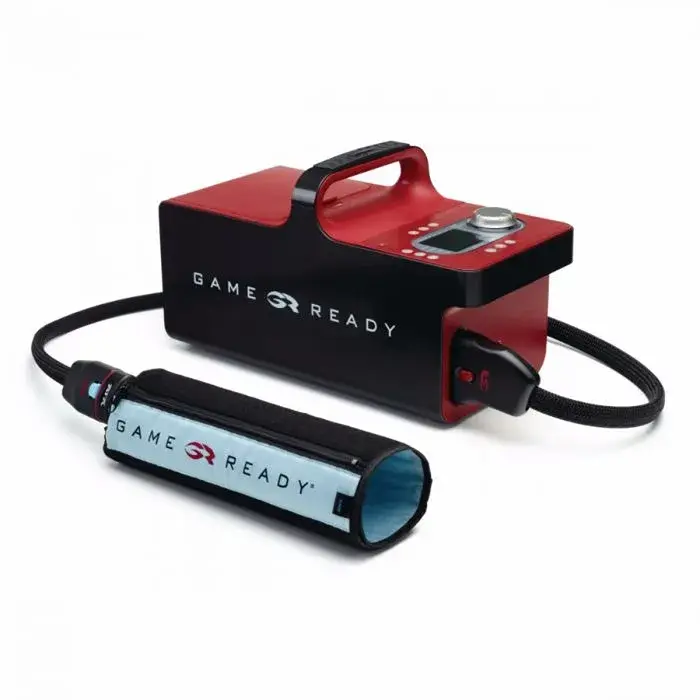

Fig1. Examples of topical cryotherapy modalities
What does icing do?
Cryotherapy results in local physiological changes, namely:
Reduction in blood flow
Reduction in metabolism
Reduction in skin and deep tissue temperatures
Reductions in skin and deep tissue temperatures have been shown to produce an analgesic effect. One reason for this is slowing the nerve’s ability to send signals from the injury to the spinal cord and brain. Indeed, reducing skin temperature to 15 degrees slowed nerve‑firing rate by around 33% and was associated with a local analgesic effect (3).
Unlike the pain‑inhibiting effects of cryotherapy, it is less clear what impact reducing superficial and deep tissue temperatures has on tissue healing. It is hypothesised that reductions in blood flow and metabolism may positively influence tissue healing by reducing ischaemic damage to cells on the periphery of the primary injury, thereby reducing collateral damage and resulting in a less severe injury (4).
Unfortunately, there are no human physiological trials to support the notion that reducing blood flow or metabolism results in optimal tissue repair. Animal studies have proven paradoxical: on the one hand, application of cryotherapy reduced injury site size; on the other, it led to signs of a sub‑optimal repair (5,6,7,8). The mechanisms underpinning this are unclear but may be due to inhibition of white blood cells, which are responsible for removing dead cells and signalling healthy cells to enter the injury site.
Does it work?
Clinical effectiveness of cryotherapy in terms of facilitating early return to function is unconvincing.
The majority of research in this space comes from post‑surgical populations. Except for pain reduction, the majority of studies show little to no effect on swelling or range of motion following cryotherapy.
The limited available evidence examining cryotherapy’s effect on closed soft tissue injuries such as ankle sprains and muscle tears is equally unconvincing for improving outcomes.
A recent British Journal of Sports Medicine review similarly found that, beyond pain relief, there is currently no human evidence that cryotherapy limits secondary injury or improves tissue regeneration after soft-tissue injury.
Several experts in the field cite methodological inconsistencies and inappropriate dosing as possible explanations for cryotherapy’s lack of evidential clinical effectiveness.
The magnitude of physiological changes is dependent on several factors, including:
Cryotherapy modality (ice cubes, frozen peas or continuous flow device)
Level and frequency of compression
Duration of cooling
Depth of tissue
Quantity of subcutaneous fat
It is logical to expect deeper tissues to take longer to reduce in temperature and for their absolute temperature reduction to be less than superficial layers. In fact, reducing intramuscular temperatures to 7 degrees took three times longer in skin folds of 40 mm compared to 20 mm (9). Further to this, the cold‑induced effects of cryotherapy on microcirculation appear to be attenuated at 8 mm compared to 2 mm (10).
Cryotherapy modality and associated compression may be more important than widely considered in inducing these physiological effects. Ice cubes wrapped to the skin were more effective at reducing deeper tissue temperatures than branded continuous flow devices (11,12). Further to this, constant compression as opposed to intermittent or no compression resulted in greater rates and absolute reductions in tissue temperature. However, research is ongoing in this area and there is currently no consensus on optimal modality choice.
Break it down for me!
Current acute injury management guidelines recommend crushed ice application for between 10–30 minutes, repeated within 2 hours depending on pain and discomfort. Even in a lean athletic population, it is unlikely that these parameters will result in significant reductions in deep tissue temperatures. As a result, the physiological response is likely to be predominantly one of pain inhibition.
For the practitioner or patient wishing to have a cooling effect on deeper tissues, a bespoke approach is required, taking into consideration the depth of the tissue and the quantity of subcutaneous fat. This is likely to require periods of cooling in excess of current clinical guidelines and potentially beyond the threshold of the patient to tolerate (for example, over 60 minutes). Furthermore, given the lack of human trials and the paradoxical evidence from animal studies, it is questionable whether deep tissue cooling following acute injury is appropriate and efficacious.
So, should you ice it?
Icing will not directly make much difference to your overall injury outcome (for example, better healing or quicker return to function).
However, due to its analgesic effect, it may reduce the intensity of the pain experience. This in turn offers benefits beyond pure tissue healing, such as restoring confidence, encouraging muscle activity and movement, which, applied in optimal doses, facilitates tissue healing (13).
Therefore:
If you have an acute injury and it is painful, you can ice it as per current guidelines.
If pain is not a problem, then do not worry about it.
Not sure how this applies to your injury?
If you’ve recently been injured and want advice tailored to your situation, you can contact me to discuss assessment and next steps.
Further Reading
For an in-depth review of the current evidence, read the British Journal of Sports Medicine’s critical review of cryotherapy for soft-tissue injuries.
If you would prefer a shorter, practical summary of when ice may be helpful after an injury, you can read the quick‑guide version on icing an injury.
References
View all 13 references
2. PRICE needs updating, should we call the POLICE?
3. The effect of cryotherapy on nerve conduction velocity, pain threshold and pain tolerance
4. Secondary injury after musculoskeletal trauma: A review and update
7. Influence of icing on muscle regeneration after crush injury to skeletal muscles in rats
9. Subcutaneous adipose tissue thickness alters cooling time during cryotherapy
10. Microcirculation of the ankle after Cryo/Cuff application in healthy volunteers
11. Intra-articular knee temperature changes: Ice versus cryotherapy device
12. ClinicalTrials.gov study record: Rate of tissue temperature reduction between wetted ice and Game Ready (NCT04019392)
13. Mechanotherapy: How physical therapists’ prescription of exercise promotes tissue repair
About the Author

Dan Watson is a Chartered Physiotherapist based in Colchester, Essex, specialising in the assessment and treatment of pain, injury and movement-related problems.
With over 15 years’ experience, Dan has supported everyday patients and athletes across football, rugby and The Royal Ballet. His approach combines clear assessment, practical education and progressive rehabilitation tailored to each person’s goals.
He provides face-to-face physiotherapy in Colchester and online support for suitable patients across the UK.


Comments