
How to Build Sustainable Movement Habits
Updated: Sep 18
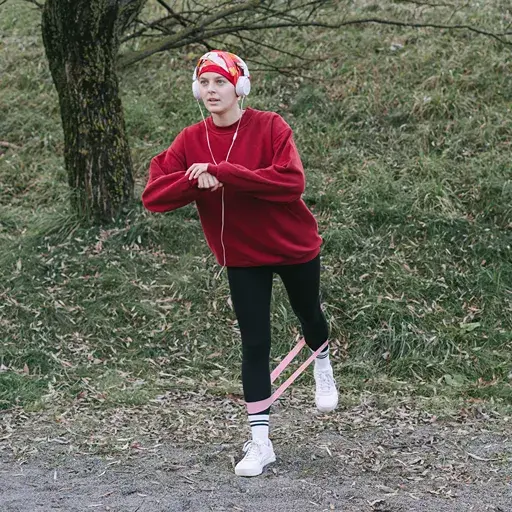
Many people know that exercise is good for their health, yet struggle to make it part of everyday life.
One reason is that modern life has removed many of the physical tasks that used to be necessary. We can travel, work, shop and communicate while sitting for long periods. Exercise therefore requires a conscious decision.
We evolved to move
Human beings evolved in environments where walking, carrying, climbing, lifting and occasional running were part of daily life.
Modern lifestyles are different. Many people now spend much of the day sitting, use transport for short journeys and complete fewer physical tasks at work or home.
This mismatch does not mean that you need to copy the lifestyle of our ancestors. It does mean that regular movement needs to be planned.
Exercise can support strength, mobility, mood and general health. It may also help people manage musculoskeletal pain when it is introduced at an appropriate level.
How much exercise is enough?
General guidelines commonly recommend 150–300 minutes of moderate activity each week, or 75–150 minutes of vigorous activity.
However, you do not need to achieve this immediately. Some movement is better than none. Starting with short, manageable periods is often more sustainable than making a large change and stopping after a few weeks.
If pain or an injury is limiting your everyday activity, guided movement rehabilitation can help you choose an appropriate starting point and progress gradually.
If you do not enjoy exercise
You do not need to join a gym or follow a formal training plan. Try adding more movement to activities you already do:
Walk part of your journey.
Stand during a short public transport trip when safe.
Use a basket instead of a trolley for a small shop.
Try a walking meeting.
Do household tasks that involve pushing, pulling or carrying.
Take regular movement breaks during the working day.
The best activity is one that is safe, realistic and enjoyable enough for you to repeat.
If you want to start exercising

Choose activities that feel purposeful or enjoyable. This could be walking, cycling, swimming, dancing, running, strength training or a group class.
Exercising with other people can provide encouragement and accountability. It may also make the activity more enjoyable.
Begin at a level that feels manageable. As your fitness improves, gradually increase the duration, frequency or intensity. Avoid trying to change everything at once.
Make exercise easier to repeat
Motivation can help you start, but habits make activity more consistent.
You could:
Exercise at the same time each week.
Keep your equipment easy to reach.
Arrange to exercise with a friend.
Join a class or club.
Use reminders on your phone or watch.
Set a specific, achievable goal.
If returning to sport is your aim, sports physiotherapy and performance support can help you plan a gradual return and manage training load.
Be patient with yourself
It is normal to find exercise difficult at first. Breathlessness, muscle tiredness and mild discomfort can be part of becoming fitter, but sharp or worsening pain should not be ignored.
Start simply, build gradually and avoid judging yourself harshly when life disrupts your routine. The aim is not perfection. The aim is to create a level of movement that you can maintain.
If you’d like a deeper dive into the science and evolution behind exercise, you can read the full long‑form article: Why Exercise Is Hard: Evolution, Movement and Modern Life.
About the Author

Dan Watson is a Chartered Physiotherapist based in Colchester, Essex, specialising in the assessment and treatment of pain, injury and movement-related problems.
With over 15 years’ experience, Dan has supported everyday patients and athletes across football, rugby and The Royal Ballet. His approach combines clear assessment, practical education and progressive rehabilitation tailored to each person’s goals.
He provides face-to-face physiotherapy in Colchester and online support for suitable patients across the UK.


Comments